The Micro Page Strategy: How to Rank Well Without Drowning in Content
Micro pages are focused 400 to 700-word website pages that each answer one specific question your potential clients are searching for (like “Can naturopathy help with IBS?” or “What happens in a first consultation?”). They’re easier to write than lengthy blog posts, rank better in search results, and you can actually do them between client appointments. 🔍 Overview: The Micro Page Method One Question, One Page Micro pages are 400–700 word pages that answer one specific client question clearly and completely. Quick to Create They’re easier to write between client sessions and more achievable than long-form blogs. Search Engines Love Focus Short, focused pages rank higher because they directly match how people search for answers online. Build Authority Over Time Publishing one micro page each week compounds – soon you’ll have 20+ pages attracting ideal clients and search visibility. If you’re like most natural health practitioners we speak with, you know you should be creating content for your website. You understand that Google and AI search reward websites that answer questions. But when you sit down to write, the overwhelm hits. Where do you start? How long should it be? What if no one reads it? Here’s what we’ve learnt after helping hundreds of practitioners build their online presence: the secret isn’t writing endless 2,000-word blog posts. It’s creating focused, practical micro pages that each answer one specific question your potential clients are actually asking. What Are Micro Pages and Why Do They Work? Micro pages are simple, focused website pages that answer a single question your potential clients are asking in 400-700 words. That’s it. No fluff, no trying to cover everything about a topic, just one clear answer. “Just as we treat the whole person in natural health, we need to approach practice growth holistically. But that doesn’t mean you have to overwhelm yourself. Micro pages let you build authority one question at a time, matching how people actually search online.” ~ James Burgin Here’s why this strategy works brilliantly for time-poor practitioners: You meet people where they’re searching. When someone types “can naturopathy help with IBS” into a search engine, they want a direct answer to that specific question. Not a 3,000-word essay on digestive health. Not your entire treatment philosophy. Just that answer: can you help them with their specific problem? Search engines love focused content. Search engine algorithms reward pages that comprehensively answer one query over pages that skim across multiple topics. A 500-word page entirely about naturopathy for IBS will outrank a 2,000-word page about “gut health” that mentions IBS briefly alongside ten other digestive conditions. You can actually finish them. Between client appointments, admin, and trying to have a life, when will you write that comprehensive guide to every condition you treat? But 400 words answering “What happens in a first naturopathy consultation?” You can knock that out in an hour. Writing tip: dictate the top 4-5 issues you need to cover on the micro-page into your phone, then copy those points into ChatGPT and ask it to draft a 400-word article that covers them. Also, ask it to identify what other issues should be included, then briefly answer those additional questions, and you are done! They compound over time. Create one micro page this week, another next week, and within a few months, you’ll have built 20 focused pages that work together to establish your expertise and attract the right clients through search. How Does The Micro Page Framework Actually Work? Each micro page should follow this simple structure: Start with question variations (50-100 words): List 3-4 alternative ways your question is commonly asked. For instance, if your main question is “Can naturopathy help with insomnia?”, also include: “What natural treatments work for sleep problems?” “How does a naturopath treat insomnia?” “Is naturopathy effective for chronic sleep issues?” This helps you capture all the search opportunities for one core inquiry. Give the direct answer immediately (100-150 words): Answer the question in the first paragraph. If someone asks whether naturopathy can help with insomnia, tell them straight away: yes, naturopathy addresses sleep issues through multiple approaches, including herbal medicine, nutritional support, and lifestyle modifications, with many clients experiencing significant improvement within 4-6 weeks. Expand with practical guidance (200-300 words): Now flesh out your answer with specific, helpful information. Explain your approach, what treatments you might use, what clients can expect, and realistic timeframes. Not theory. Not vague possibilities. Actual, practical information that helps them understand whether naturopathy is right for their situation. Add links (50-100 words): End by connecting to 1-2 related resources on your site. Suppose someone has just learnt about naturopathy for IBS. In that case, they might benefit from your page on “What happens in a first naturopathy consultation?” or your page explaining “How long does naturopathic treatment take to work?” This creates a web of content that keeps potential clients on your site and helps search engines understand your expertise. Include a concise summary or ‘meta description’: Write a 150-160 character summary for search results that includes your main question and hints at the answer. How To Get Started with Five Essential Micro Pages for Your Website If you’re just beginning, these five questions are gold for most natural health practitioners: Can naturopathy help with [your speciality condition]? Pick the condition you love treating – gut health, hormonal imbalance, chronic fatigue, or anxiety. Then add some alternative searches: “Natural treatment for [condition]”, “What does a naturopath do for [condition]?”, “Is naturopathy effective for [condition]?”) What happens in a first naturopathy consultation? (Alternatives: “What to expect at a naturopath appointment”, “How long is initial naturopathy session?”, “What does a naturopath ask in first visit?”) How long does naturopathic treatment take to work? (Alternatives: “When will I see results from naturopathy?”, “How many sessions will I need?”, “Naturopathy treatment timeline”) What’s the difference between a naturopath and a nutritionist? (Alternatives: “Naturopath vs nutritionist vs dietitian”, “Should I see a naturopath or nutritionist?”, “What can naturopaths do that nutritionists can’t?”) Is
Creating Customer Personas That Actually Work for Your Practice

You spend years mastering clinical skills to help people heal. But here’s the uncomfortable truth: being brilliant at helping people means nothing if the right people can’t find you. Most practitioners market to “everyone with gut issues” or “women going through menopause.” The results are usually disappointing. But what if you could use the same diagnostic skills you apply in consultations to identify exactly who benefits most from your approach? What if you could speak directly to your ideal clients in a way that makes them feel instantly understood, even before they book? That’s the power of creating customer personas for natural health practitioners. And unlike most marketing exercises, this one plays to your strengths as a practitioner. Why Creating Customer Personas for Natural Health Practitioners Improves Practice Growth Customer personas aren’t marketing fluff – they’re clinical insight applied to practice growth. By reviewing 20 recent consultations and noting patterns in who you serve best, you can create detailed client profiles that guide all your content decisions. Creating customer personas involves using AI to identify commonalities in demographics, psychographics, and health journeys. Then create 1-2 specific personas (like “Corporate Sarah” or “Exhausted Emma”) that represent your ideal clients. These personas inform your blog topics, FAQs, service pages, and social content—making your marketing feel authentic while helping AI systems understand precisely who you serve. Start with one persona, test content for a month, and refine based on results. The practitioners who grow sustainably aren’t trying to help everyone—they’re crystal clear about who they serve best. 1. Good News: You’re Already Doing This Creating Customer Personas for Natural Health Practitioners Is a Clinical Skill You wouldn’t treat every patient the same way – so why market to everyone identically? As a natural health practitioner, you already know how to read people, understand their unique situations, and tailor your approach accordingly. Creating customer personas simply applies this clinical skill to your practice growth. A persona is a realistic portrait of your ideal client – the type of person who naturally benefits most from your approach. When you understand who you’re serving, your content becomes clearer, your marketing more authentic, and even AI systems better understand who to recommend you to. And it can be surprising how, by analysing methodically, you discover extra insights about customers, beyond the hunches you already have. 2. The Practitioner’s Advantage: Mine Your Clinical Experience Your consultation notes contain marketing gold. You don’t need expensive research; instead, focus on the patterns you’re already seeing. When reviewing your last 10-20 client consultations, look for: Questions new clients ask most frequently – “How long until I see results?” “Do I need to give up coffee?” Common misconceptions you correct – “Actually, hormone balance isn’t about eliminating all symptoms…” Patterns in who gets the best results – Are they action-takers? Research-oriented? Seeking natural alternatives after conventional medicine failed? The emotional journey – From “something’s wrong” to “I need help” to “this practitioner understands me” Don’t just note symptoms. Capture their situation: Are they juggling work and family? Exhausted from years of searching? Frustrated by conflicting advice online? These emotional drivers guide their decision-making far more than demographics alone. A Practical Approach to Creating Customer Personas for Natural Health Practitioners 3. Building Your First Persona: The Simple Method This step-by-step method for creating customer personas for natural health practitioners is designed to be simple, repeatable, and grounded in real clinical experience. Start with ONE clear persona, not five vague ones. Creating customer personas for natural health practitioners starts with a single, focused profile. Here’s what information to gather for each client in your review: Demographics (the framework): Age and gender Occupation and work situation Family makeup (single, partnered, children, caring for parents) Location (suburb, lifestyle indicators) Income/financial situation (affects investment decisions) Psychographics (the depth): Personality type (analytical, intuitive, action-oriented, cautious) Health philosophy (natural-first, integrative, last resort after conventional) Information consumption (podcasts, Instagram, research papers, friend recommendations) Decision-making style (quick, thorough researcher, needs validation) Values and priorities (prevention, performance, family health, longevity) Their Health Journey: Current symptoms or situation What they’ve already tried Their frustrations and fears What they’re hoping to achieve How they found/would find you Using AI to Find Patterns: Once you’ve reviewed 20 consultations and captured this information, use AI to identify commonalities: Prompt example for ChatGPT: “I’m a [specialty] practitioner. I’ve reviewed 20 client consultations and captured the following information [paste your notes]. Please identify 2-3 distinct client personas by finding patterns in: demographics, personality types, health journeys, decision-making styles, and what makes them choose natural health solutions. For each persona, create a detailed profile that I can use to guide my marketing content.” The AI will spot patterns you might miss – like how your most successful clients tend to be highly-researched professionals in their 40s, or how you naturally attract intuitive decision-makers who value preventative approaches. Essential Elements for Your Final Persona: Give them a memorable name (not “Persona 1” – try “Research-Ready Rebecca” or “Burnt-Out Brad”) Tell their story in a paragraph, not bullet points Make it specific – “43-year-old marketing manager” beats “40s professional” Include their search behaviour – what questions would they ask AI or Google? Capture their decision factors – what creates trust for them? 4. Example Personas: Two Specialties in Action For Hormone Specialists: Persona 1: “Corporate Sarah” – The High-Achieving Executive Sarah is 47, a senior marketing director at a financial services firm in Melbourne’s CBD. She lives in Hawthorn with her husband (a lawyer) and their two teenage children. For the past 18 months, she’s been struggling with brain fog during important presentations, night sweats disrupting her sleep, and unexpected weight gain despite her regular F45 routine. Sarah is analytical and research-oriented – she’s already read three books on perimenopause and follows several women’s health Instagram accounts. She tried HRT through her GP but felt “not quite right” on it and wants to explore a more holistic approach. She’s frustrated because she can’t think clearly anymore, and her confidence at
Stress Quiz Example

What Type of Stress Pattern Is Driving Your Symptoms? What Type of Stress Pattern Is Driving Your Symptoms? Discover your dominant stress pattern and get a clear, personalised plan to restore balance. Understanding Your Stress Pattern This quiz will help you identify which stress response pattern you’re stuck in, so we can tailor the right recommendations to restore your balance. Answer 10 questions honestly based on how you’ve been feeling lately. Start Quiz Section 1: Daily Energy Pattern 1. How would you describe your morning energy? Wired but exhausted Slow and heavy Anxious or restless Foggy or unfocused Generally ok but dips quickly 2. What happens to your energy around 2 to 4 PM? Sudden crash Still flat from earlier Brain racing but body tired Irritable or emotional Second wind but then wide awake at night Back Next Section Section 2: Sleep and Recovery 3. How well do you fall asleep? Takes ages, mind won’t switch off Straight to sleep but wake unrefreshed Fall asleep easily but wake between 2 to 4 AM Waking up multiple times Overthinking keeps me awake 4. How would you describe your sleep quality? Light, restless Broken Deep but not restorative Emotional dreams Inconsistent and unpredictable Back Next Section Section 3: Emotional Response 5. How does stress show up for you emotionally? Irritable and tense Flat or unmotivated Anxious or overwhelmed Tearful or emotionally reactive Spacey or disconnected 6. When you’re under pressure, what’s your default reaction? Push through until you crash Withdraw or shut down Overthink every detail Become emotional very quickly Lose focus and drift Back Next Section Section 4: Physical Patterns 7. What physical symptoms do you notice most often? Heart racing, restless energy Fatigue, heavy limbs Muscle tightness, tension headaches Chest tightness, stomach knots Random bursts of energy or exhaustion 8. How is your digestion affected during stress? Upset stomach or loose stools Slow digestion or bloating Nervous stomach Loss of appetite Erratic hunger Back Next Section Section 5: Behavioural Patterns 9. Which behaviour feels most familiar? Doing too much then collapsing Procrastinating because you feel exhausted Constant planning and overthinking Emotional eating or withdrawing Scrolling late at night instead of sleeping 10. What best describes your resilience lately? Short fuse Running on empty Mind feels overloaded Emotionally fragile Up and down like a rollercoaster Back Get My Results Get Your Personalized Results Enter your details below and we’ll send your stress pattern results along with a personalized action plan straight to your inbox. First Name * Please enter your first name Email Address * Please enter a valid email address View My Results 🔒 Your information is secure and will never be shared. By submitting, you’ll receive your personalized results and helpful tips for managing your stress pattern. Your personalized stress pattern analysis Tailored recommendations for your unique situation Practical next steps you can implement today Your Dominant Stress Pattern Ready to Restore Balance? Book Your Consultation Retake Quiz
Comparison Pages: Your Secret Weapon for AI Visibility and Client Trust

When a potential client types “food allergy vs food intolerance” into Google or asks ChatGPT “which is better for bloating – probiotics or digestive enzymes?”, they’re not just browsing. They’re at a critical decision point in their health journey. And if your practice isn’t providing the answer, someone else will. Quick Takeaways: Meet Decision-Ready Clients: Comparison pages answer questions clients actively search for when choosing between treatments, supplements, or practitioners – capturing them at their decision point. Double SEO Benefit: Well-structured comparisons rank in Google for “vs” searches AND get cited by ChatGPT, Gemini, and Perplexity when clients ask AI assistants for health guidance. Three Essential Types: Create comparisons for treatment methods (herbal medicine vs supplements), conditions (IBS vs IBD), and products (probiotics vs prebiotics) to cover client confusion points. Quick Implementation: Choose one topic, research for 90 minutes, write using the proven template, and have your first comparison page live this week – no technical skills required. According to James Burgin, founder of Thriving Practitioners: “Comparison pages are one of the most underutilised tools in natural health marketing. They meet clients exactly where they are – confused and trying to make sense of conflicting information. When you provide clear, balanced guidance, you become the trusted authority before they even book a consultation.” Why Comparison Pages Matter for Natural Health Practitioners Most potential clients come to you genuinely confused. They can’t tell the difference between IBS and IBD, magnesium citrate and glycinate, or whether they need a naturopath or nutritionist. This confusion keeps them stuck in endless research loops – or worse, leads them to practitioners who happen to have clearer content, even if they’re not the best fit. Comparison pages solve this problem by: Meeting Clients at Their Decision Point: When someone searches “naturopath vs nutritionist” or asks an AI assistant which supplement is better, they’re actively trying to make a choice. Building Trust Through Transparency: Balanced, educational comparisons demonstrate your expertise while showing you’re not just trying to sell them something. Dominating AI Search Results: Well-structured comparison content is exactly what AI systems like ChatGPT, Gemini, and Perplexity need to provide confident recommendations. Ranking for High-Intent Keywords: “Versus” and “best” style searches show clear commercial intent – people asking these questions are ready to book. The Three Types of Comparison Pages Every Practitioner Needs 1. Treatment Method Comparisons These pages help clients understand different therapeutic approaches and when each is most appropriate. Examples for naturopaths and nutritionists: Herbal Medicine vs Nutritional Supplements Elimination Diet vs Food Sensitivity Testing Functional Medicine vs Integrative Medicine vs Lifestyle Medicine Holistic Dental Care vs Conventional Dentistry Natural Fertility Support vs IVF 2. Condition Clarification Comparisons These pages address the confusion clients have about similar-sounding conditions. Examples: IBS vs IBD: What’s the Difference? Food Intolerance vs Food Allergy Perimenopause vs Menopause Tension Headache vs Migraine Reflux vs Heartburn vs Indigestion 3. Product and Supplement Comparisons These pages help clients make informed decisions about natural health products. Examples: Probiotics vs Prebiotics Magnesium Glycinate vs Magnesium Citrate vs Magnesium Oxide Fish Oil vs Algal Oil Collagen Powder vs Bone Broth Ashwagandha vs Rhodiola Real-World Example: Probiotics vs Prebiotics Let me show you how this works in practice. Here’s how Sonya Thorn, The Gut Detective naturopath, approaches this common client confusion: The Challenge: Clients struggling with dysbiosis (gut bacteria imbalance) often ask whether they need probiotics, prebiotics, or both. Sonya’s Approach: “When I assess a client with digestive issues, the first question isn’t ‘do they need a probiotic?’ – it’s whether their microbiome ecosystem is out of balance. Probiotics and prebiotics each help in different ways, and sometimes the real solution is how they work together.” The Comparison Framework Here’s how a well-structured comparison page addresses this question: Quick Decision Box (answers the question immediately): Probiotics = live beneficial bacteria that restore balance in dysbiosis Prebiotics = fibres that feed beneficial bacteria and help them thrive Best approach: Often combining both (synbiotics) for long-term gut health Detailed Comparison Table (provides at-a-glance clarity): Aspect Probiotics Prebiotics Definition Live beneficial bacteria Fibres that feed good bacteria Role Correct dysbiosis by replenishing good bacteria Support balance by nourishing existing microbes Food Sources Yoghurt, kefir, sauerkraut, kimchi Bananas, onions, garlic, asparagus Benefits Reduce diarrhoea, support immunity, restore balance after antibiotics Increase microbial diversity, improve digestion, and regulate bowel function Considerations May not colonise well without prebiotic support May cause bloating in sensitive people Expert Guidance (builds authority): As Sonya explains: “Prebiotics are like fertiliser for your microbiome garden. If you only add new plants (probiotics) without feeding them, they’ll eventually wither. But if you give them the right soil and nutrients (prebiotics), they’ll thrive and multiply.” Who Each Suits Best (helps readers self-identify): Probiotics may suit you if: You’ve had antibiotics recently You experience loose stools or diarrhoea You want immune system support Prebiotics may suit you if: You want to nourish long-term microbiome balance You experience constipation You’re aiming to improve microbial diversity naturally How to Create Your First Comparison Page This Week Step 1: Choose Your Topic (20 minutes) Pick a comparison from one of these categories: Supplements: Magnesium types, omega-3 sources, adaptogen options Conditions: IBS vs IBD, food allergy vs intolerance Practitioner roles: Naturopath vs dietitian (careful, respectful, evidence-based) Treatment approaches: Elimination diet vs food sensitivity testing Step 2: Research Evidence-Based Information (90 minutes) Gather information from credible sources: Professional associations (NHAA, Dietitians Australia) Clinical guidelines (RACGP, NICE) Recent systematic reviews (PubMed, Google Scholar) Patient questions (from your own consultations) Critical reminder: Always include appropriate disclaimers and stay within your scope of practice. Step 3: Structure Your Page Use this proven template: Hero Section: Clear title asking the comparison question TL;DR Decision Box: Quick answer for scanners Detailed Explanations: What each option is and how it works Comparison Table: Side-by-side feature comparison Who Each Suits Best: Decision guidance based on needs FAQs: Common questions in conversational language Call to Action: Invite to book consultation for personalised guidance Step 4: Optimise for Both Google and AI Use
“From ‘Dr Google’ to ‘Dr AI’: How to Turn Informed Clients Into Your Best Patients”

The Parallel AI Revolution: When Both You and Your Clients Are Learning AI Together You’re getting comfortable with AI for your practice. Have you considered how your clients’ AI experiments are influencing your consultations? You’ve just finished creating your third blog post this month using Claude. You’re finally seeing how AI can amplify your voice and save hours of content creation time. You’re even getting comfortable asking ChatGPT to help structure your treatment protocols. The 2025 AI Summit for Natural Health Practitioners expanded the possibilities so many practitioners are still exploring. Then your 2 pm client arrives for her appointment. She’s researched her hormonal symptoms using Perplexity. She has created a symptom tracking system using ChatGPT. She has questions about the supplement protocol that Gemini suggested. You both smile, realising you’re having a very different kind of consultation than was possible even six months ago. Welcome to the parallel AI revolution. Both practitioner and patient are learning to navigate AI together. Key Takeaways: Ideal Patients Emerge AI-informed clients are your most engaged patients. They ask better questions, understand treatments faster, and invest readily in their health. One Question Changes Everything Ask “What have you already discovered?” instead of educating from scratch. This transforms resistance into collaborative partnership immediately. Parallel Learning Advantage Both you and your clients are learning AI simultaneously. This alignment creates deeper consultations and natural practice growth opportunities. Integration, Not Competition Your role isn’t competing with AI. You personalise generic information, identify what AI misses, and guide through overwhelm effectively. What Is the Double Learning Curve in Natural Health Practice? Here’s what’s fascinating about this moment in natural health practice: while you’re learning to use AI for content creation, client communication, and practice management, your clients are simultaneously learning to use the same tools. They’re researching symptoms, exploring treatments, and making health decisions. According to James Burgin, founder of Thriving Practitioners: “We’re seeing something unprecedented. Practitioners and patients are learning AI capabilities at roughly the same pace. This creates both incredible opportunities and interesting challenges that traditional healthcare education never prepared us for.” The practitioners who attended the AI Summit for Natural Health Practitioners discovered something powerful. AI isn’t just a practice management tool. It’s fundamentally changing the informed consent conversation, the treatment planning process, and the entire therapeutic relationship. How Are Practitioner and Client AI Journeys Different? What You’re Learning: How to create content more efficiently Ways to streamline practice administration Methods to improve your online visibility Transcribing consultations and getting AI summaries Techniques for treatment protocol development Strategies to build authority and attract ideal clients What Your Clients Are Learning: How to research symptoms at 2 am when they’re anxious Ways to understand complex health information in simple language Methods to track patterns AI might identify before they do Techniques to compare treatment approaches How to find practitioners who “speak their language” The insight most practitioners miss: these aren’t competing journeys. They’re parallel paths that can either clash or align beautifully, depending on how you approach them. Why Do AI-Informed Clients Actually Make Better Patients? Practitioners who attended the AI Summit for Natural Health Practitioners reported a fascinating discovery. When they started paying attention to their clients’ AI usage rather than just their own, they noticed a clear pattern. Clients who mentioned AI research in consultations were, in fact, their most engaged patients. They asked better questions. They understood treatment rationales more quickly. They were more compliant because they’d already researched why protocols mattered. But many practitioners also noticed friction. When they used traditional “patient education” language, these AI-informed clients felt talked down to. When they assumed no knowledge, clients felt their research was being dismissed. The breakthrough came when practitioners started their consultations differently: Old Consultation Approach New AI-Aware Approach Result “Let me explain how perimenopause works…” “What have you already discovered about what you’re experiencing?” Client feels validated, research acknowledged Assume client knows nothing Ask “Where do you have questions or confusion?” Targets gaps rather than repeating known information Present treatment plan “What makes sense to you about what you’ve learned?” Creates collaborative decision-making Educate from scratch Build on existing research Faster rapport, deeper trust Position as an integration guide Position as an integration guide Reduced resistance, better compliance This simple shift transformed her practice. AI-informed clients felt validated. Rebecca’s expertise was positioned as guidance through complex information rather than basic education. Consultations became collaborative explorations rather than one-way information transfers. What Questions Are Both You and Your Clients Asking AI? Here’s where it gets interesting. When you understand what questions your clients are asking AI systems, you can structure your practice and content to bridge both learning curves. Common Client Questions to AI: “What are the symptoms of perimenopause?” “Best natural treatments for SIBO” “How to choose a naturopath in [location]” “What tests do I need for a hormonal imbalance?” “Can I see a naturopath while on medication?” Your Questions to AI: “Create a blog post about perimenopause symptoms” “Write an FAQ for my SIBO treatment page” “What keywords should I target for local visibility?” “Generate a client intake form for hormonal issues” “Draft an email sequence for new clients” See the alignment? Your AI-created content can directly address the questions your clients are asking AI. This creates a perfect meeting point where your learning curve supports their learning curve. How Do You Build a Competitive Advantage from Mutual AI Literacy? Practitioners who understand BOTH sides of the AI learning curve are creating remarkable competitive advantages: They’re visible where research happens: Their content appears when potential clients ask AI about conditions they treat. They validate modern health research: Rather than dismissing AI-informed clients as “problematic,” they celebrate engaged partners. They guide through information overwhelm: They help clients contextualise and personalise AI-generated information within their unique health picture. They build instant credibility: They demonstrate understanding of the modern health discovery journey. They attract ideal clients: AI-informed clients are proactive, engaged, and ready to invest in their health. James Burgin reflects: “Just as flower
From Confusion to Clarity: How Practitioners Can Turn Google Search Console into a Visibility Roadmap

You wouldn’t treat a patient without understanding their symptoms and running diagnostic tests first. Yet most natural health practitioners are making critical decisions about their online presence based on guesswork, generic advice, and what worked for someone else’s business. The irony? Your website is already generating diagnostic data. You’re just not looking at it. Google Search Console: The Goldmine You’re Not Using Every practitioner website connected to Google has access to Google Search Console (GSC) – a free tool that records exactly how people are finding (or not finding) you online. The problem isn’t a lack of data. It’s that the raw data is overwhelming and meaningless without interpretation. Here’s what Google Search Console shows you: The exact phrases people type into Google before landing on your site Which pages get shown in search results (and how often) Your ranking position for each keyword Which queries get impressions but zero clicks (missed opportunities) Which content is working and which is invisible Most practitioners glance at this data once, feel overwhelmed, and then never look at it again. But here’s what I’ve discovered: When you analyse Google Search Console data systematically using AI, patterns emerge that reveal exactly where to focus your energy for maximum impact. What the Data Actually Reveals Let me show you three real patterns I’ve uncovered recently (details anonymised): Pattern 1: The Invisible Authority The data showed: 1,902 monthly impressions for “dysbiosis” Average position: 82 (page 8-9 of Google) Clicks: 0 Click-through rate: 0.00% What this means: Google is showing this practitioner’s content nearly 2,000 times per month for a high-value clinical term. People searching for “dysbiosis” are problem-aware and actively seeking solutions. But ranking on page 8 means this content is completely invisible. The insight: This isn’t a “write more content” problem. The content already exists and Google recognises its relevance. This is an optimisation problem. With targeted improvements (better title tags, structured content, internal linking, and possibly some backlinks), this page could move from position 82 to the first page. The maths: Even capturing just 5% of those 1,902 impressions at a 3% click-through rate means 95 targeted monthly clicks from people actively searching for expertise in dysbiosis. For a specialised practitioner, that’s 10-15 qualified consultation requests per month from just one keyword. P2: The Mismatch The data showed: Query: “naturopath near me” Impressions: 4 Clicks: 1 CTR: 25% Average position: 6.8 Compared to: Homepage: 723 impressions Clicks: 67 CTR: 9.27% Average position: 22 What this means: When this practitioner appears in local “near me” searches (position 6-7), they get a 25% click-through rate – excellent conversion. However, they appear only four times per month for local searches, while their homepage receives 72 impressions at a much lower position (22) with a 9% CTR. The insight: The homepage is getting traffic, but it’s not optimised for local search intent. The business is losing hundreds of potential local clients because Google doesn’t clearly understand that this is a local service provider. The opportunity: Local SEO optimisation (Google Business Profile, location-specific content, local schema markup) could shift hundreds of those homepage impressions into high-converting “near me” territory. The conversion data is already proven – they just need more visibility in the right searches. Pattern 3: The Brand Strength Hidden in Plain Sight The data showed: “Mary Rose*”: 30 impressions, 13 clicks, 43.33% CTR Position: 3.0 Compared to: 1,000 other queries: 2 total clicks combined Average CTR: 0.20% What this means: When people search for this practitioner by name, they appear in position 3 and get an exceptional click-through rate – exceptional. However, the result is that only 30 people per month search by name. Meanwhile, 998 other keyword opportunities are generating almost zero engagement. The practitioner has strong brand recognition amongst people who know them, but virtually no visibility to new prospects. The insight: This is a classic “known by few, invisible to many” scenario. The brand has authority signals (evidenced by the strong performance of branded searches), but the content strategy isn’t capturing broader search intent. The strategic shift: Instead of generic blog posts, create content that bridges from high-volume searches (like “gut health Brisbane” or “IBS treatment”) to the practitioner’s name and methodology. Utilise the proven brand strength as the conversion mechanism, but establish visibility pathways for individuals who are not yet familiar with the name.* Practitioner name is changed Why This Changes Everything These aren’t hypothetical examples or generic advice. This is what happens when you actually analyse the data your website generates. Every practitioner’s Google Search Console data tells a different story: Where Google already sees you as relevant (but you’re not visible enough) Where you’re getting impressions but losing clicks (conversion problems) Where you have unexpected authority (capitalise on it) Where content gaps are costing you qualified traffic Which one or two changes would create the biggest impact The power word insight often emerges from this analysis – one keyword where you already have momentum, search volume is strong, and a focused content strategy could shift you from invisible to prominent. For the dysbiosis example above, that’s the power word. 1,902 monthly searches, existing Google recognition, zero competition from the practitioner’s own content. One optimised pillar page could transform that entire practice’s pipeline. Why This Matters Now With AI-driven search and Answer Engine Optimisation gaining traction, visibility is no longer about publishing random blog posts. It’s about focusing your energy where the search engines already want to reward you. A data-driven roadmap stops the guessing game and shows you: What’s already working (double down) What’s almost working (quick wins) What’s missing (strategic gaps) What to ignore (low-value distractions) What’s Next I’ll be sharing more about these Visibility Roadmaps inside the Thriving Practitioners community and using them as the foundation for mentoring sessions. If you’d like to see what your own Google Search Console data reveals about your practice’s visibility, stay tuned – I’ll soon be offering a limited number of personal Website Diagnostic Roadmaps each month. For now, ask yourself: What
What Is Answer Engine Optimisation and Why Do Natural Health Practitioners Need It Now?

The Essential Summary The way potential clients find natural health practitioners is undergoing a fundamental change. Traditional SEO focused on Google rankings, but Answer Engine Optimisation (AEO) ensures you’re cited directly when AI systems like ChatGPT recommend healthcare providers. Most practitioners spend 95% of their time on clinical skills but only 5% on visibility – leaving them invisible to AI-powered search. This comprehensive guide demonstrates how to integrate timeless healing wisdom with cutting-edge technology to establish yourself as a trusted authority using answer engine optimisation. Key Takeaway: AEO isn’t about replacing human connection – it’s about ensuring more people can discover your healing gifts through intelligent technology. What Is the “Searchquake” and How Does It Affect Healthcare? A fundamental shift is occurring in healthcare marketing that many natural health practitioners have yet to notice. While you’ve been perfecting clinical skills and helping clients heal, a quiet revolution has rewritten how people find healthcare providers. The old process looked like this: Client types “naturopath near me” into Google Scrolls through a list of websites Clicks through multiple sites to compare practitioners Eventually makes a booking decision The new reality looks like this: Client asks AI: “What’s the best natural approach for perimenopause in Melbourne?” AI provides a direct answer with specific practitioner recommendations Client contacts the recommended practitioner immediately This shift is exactly why answer engine optimisation is replacing traditional SEO as the primary way practitioners are discovered. “After years as a practitioner and clinic owner, I understand firsthand the frustration of being brilliant at helping patients but struggling to attract them. That’s why I’ve dedicated my career to solving this exact problem for natural health professionals.” – James Burgin, Former Naturopath & Founder, Thriving Practitioners Why Are Most Natural Health Practitioners Invisible Online? The 95/5 Problem That’s Killing Practice Growth Here’s the hidden crisis facing natural health practitioners: Time Allocation Clinical Skills Business/Marketing Skills Current Reality 95% 5% Optimal Balance 70% 30% Result of Imbalance High clinical competence, low client acquisition Sustainable practice growth This imbalance worked when people found practitioners through: Word-of-mouth referrals Yellow Pages directory listings Local community recommendations Print advertising But in the age of AI-powered search, clinical excellence without answer engine optimisation equals professional invisibility. What Questions Do Your Ideal Clients Ask AI Systems? Your potential clients are asking AI assistants questions like: “What’s the difference between a naturopath and a nutritionist?” “How much does naturopathic treatment cost in Australia?” “What should I expect in my first consultation?” “Can I see a naturopath while taking prescription medication?” “Who’s the best hormone specialist in [your city]?” Critical Question: When AI answers these queries, does it mention your practice? These are exactly the types of queries answer engine optimisation is designed to help your practice appear in. What Is Answer Engine Optimisation (AEO) and How Does It Work? Answer Engine Optimisation vs Traditional SEO: The Complete Comparison Aspect Traditional SEO Answer Engine Optimisation (AEO) Primary Goal Rank #1 on Google Become the direct AI-cited answer Success Metric Website traffic AI mentions and recommendations Content Focus Keyword-optimised pages Question-answer formats User Behaviour Click through multiple results Trust AI’s direct recommendation Timeline 6-12 months for results 4-8 weeks for AI citations The Four Pillars of Success in Answer Engine Optimisation for Natural Health Practitioners Context Mapping: Answer Real Client Questions Understand the conversational queries your clients ask Focus on “how,” “what,” “why,” and “where” questions Address both clinical and practical concerns Content Strategy: Share Knowledge Clearly Create transparent, straightforward, factual content Use FAQ sections and bullet points Avoid marketing fluff that AI systems ignore Digital Trust (E-E-A-T): Build Healthcare Authority Display professional credentials prominently Include clinical experience and specialisations Maintain consistent information across all platforms Proof Points: Establish Third-Party Validation Secure mentions in professional publications Build positive online reviews systematically Maintain accurate directory listings How Does Metaphysical SEO Enhance Traditional Marketing? The Invisible Dimension of Digital Marketing During my years as a naturopath, I discovered that profound healing often happens on levels we can’t measure. The same principle applies to digital marketing. “Just as flower essences work on subtle energy levels, Metaphysical SEO aligns your digital presence with your highest healing purpose. It’s about creating content that not only ranks well but carries your healing intention across the digital sphere.” – James Burgin, Creator of Metaphysical SEO When aligned correctly, metaphysical principles enhance answer engine optimisation by strengthening clarity, trust, and resonance. Technical SEO Elements Metaphysical SEO Elements Combined Result Keyword optimisation Authentic voice alignment Content that resonates deeply Schema markup Healing intention infusion AI systems cite with confidence Website structure Energy coherence Visitors feel drawn to your practice Loading speed Digital presence integrity Seamless user experience What Results Are Practitioners Already Achieving with Answer Engine Optimisation? Real Success Stories from the Thriving Practitioners Community Mariangela’s Email Success: Applied the PAS formula (Problem-Agitate-Solution) to one email Result: 5 consultation bookings within days Follow-up blog post about Lions Gateway: 11 bookings in one week Simone’s Content Breakthrough: Created 3 blog posts using AI assistance during the busiest clinical week Result: 8 consultation bookings over one weekend (personal record) Multiple Practitioners Report: Being cited by AI systems as local authorities within 4-6 weeks Increased consultation bookings from AI referral traffic Enhanced professional recognition in their communities “Every practitioner I work with has the potential to transform lives. My role isn’t just teaching marketing – it’s about creating a movement where ethical, effective healthcare marketing becomes the norm, not the exception.” – James Burgin, Thriving Practitioners Community Leader What Are the Essential AEO Implementation Steps? Answer Engine Optimisation for Natural Health Practitioners: 12 Point Action Plan Foundation Phase (Weeks 1-2): AI Audit: Test how AI systems currently describe your practice Question Mapping: Document the questions your ideal clients ask Transparency Audit: Identify content gaps that prevent AI citations Content Creation: Build AI-friendly service pages and FAQ sections Technical Phase (Weeks 3-4): Schema Markup: Help AI understand your professional credentials Proof Points: Optimise online reviews and directory listings Local Authority: Establish geographic
Neighbourhood Marketing for Natural Health Practitioners – 15 Low-cost Winners

For many natural health practitioners, the idea of marketing can feel uncomfortable. You may not want to sound pushy or give the impression that you’re “selling”. The good news is there’s another way. Neighbourhood marketing is about sharing what you know, connecting with your community, and being visible in simple, friendly ways. It relies more on creativity and care than on spending money. These are ideas you can put into practice straight away, most at little or no cost. Here are 15 suggestions, grouped into four categories, that can help you grow your presence naturally and authentically. Everyday Visibility These approaches gently remind people that you’re around, without pressure. Street-level visibility: write a positive health message in chalk or on a board outside your practice, or post short wellbeing tips on community noticeboards. Change the message outside your practice each week. Wellness quotes in unexpected places: print uplifting stickers with your details in small type and place them on takeaway cups (with cafe permission) or community boards. Silent ambassadors: give long-term clients a tote bag or reusable water bottle with your name. They’ll carry it around, quietly spreading your presence. Tote bags can be surprisingly inexpensive – make sure to make them a useful size. Seasonal tip sheets: prepare one-page handouts like “Winter immunity boosters” or “Summer energy tips” and share them through local cafes, gyms or shops. Community Engagement Meeting people in relaxed, everyday settings helps them get to know you. Wellness walks: organise a gentle monthly walk in a local park where you share easy health tips and invite questions. Experiential micro-events: offer a 10-minute “stress reset” at a cafe or market. Simple breathing or stretching can give people a taste of your approach. Pop-up wellness corners: set up a chair and small sign in a busy spot such as outside a library. Offer a quick posture check or breathing exercise. Collaborative giveaways: partner with a yoga teacher, massage therapist or organic grocer to put together a small prize pack. Each of you promotes it, naturally reaching new people. Creative Content Offer something useful or uplifting that people can return to later. Spotify playlist: make a calming “Wellness Vibes” or energising “Morning Reset” playlist. Share it on social media, in your email signature, or on a card in your waiting room. Bookmarks or seed packets: hand out small items with wellness tips and your contact details. They’re practical and thoughtful, not pushy. Health tip cards: create pocket-sized cards with gentle advice such as “3 ways to sleep better”. Leave them in cafes, yoga studios or community spaces. Letterbox Flyers with a Purpose: a simple A4 flyer or DL postcard can work well when done thoughtfully. Instead of a hard sell, focus on sharing something useful – like “5 natural ways to ease stress” or “Simple steps to boost winter energy”. Add your contact details and a gentle invitation, such as a free short consult or introductory offer. By placing these in local letterboxes, you reach people right where they live, in a way that feels friendly and informative rather than commercial. Be realistic about distribution – you probably don’t have the time to walk around letterboxing yourself. Check with Australia Post for their unaddressed mail distribution service – it’s surprisingly inexpensive. Surprise and Delight Small, unexpected touches make you memorable and show your generosity. Wellness fortune jar: place a jar in a cafe or shop filled with notes offering health affirmations or simple tips, with your name at the bottom. Small gifts for first-time visitors: herbal tea samples, essential oil wipes or tiny crystals can make a first appointment feel special. Mini music and wellness sessions: team up with a local musician to offer a short session such as “Music and Mindful Breathing” in a park or streamed live. Neighbourhood marketing is about becoming a trusted part of your community. When you share knowledge, encouragement and small gestures of care, people remember you — and turn to you when they’re ready for support. Start with one or two ideas that feel easy and natural. Over time, you’ll find your own rhythm and become known as the approachable local practitioner who truly cares. 🌿 Next Step: If you’d like more ideas and support, join our Thriving Practitioners Facebook Group and sign up for the mailing list. You’ll find encouragement, inspiration, and practical tips from other practitioners who want to grow their practices in authentic and sustainable ways.
Why AI Has Found Its Natural Home with Women Practitioners

AI Meets The Healing Revolution Key Finding: AI usage has shifted from 80% male to 52% female users in just 2.5 years – not because women adapted to AI, but because AI evolved to match how women naturally communicate and collaborate. The Conversation Revolution: From Commands to Collaboration Period Male Users Female Users Total Weekly Active Users Late 2022 ~80% ~20% 1 million+ June 2025 48% 52% 700 million+ Source: Chatterji et al., 2025 This shift reflects something profound: AI transformed from a tool that responds to commands into a partner that engages in conversation. And conversation – the foundation of all therapeutic practice – is where women naturally excel. Why Women Lead the AI Revolution with Communication Style The research reveals that women use AI exactly how natural health practitioners work: The Collaboration Pattern “About 49% of messages are Asking, 40% are Doing, and 11% are Expressing” (Chatterji et al., 2025). Women predominantly use AI for asking questions and seeking guidance rather than demanding task completion. AI Message Types by Frequency Critical Insight: “Asking messages have grown faster than Doing messages over the last year and are rated higher quality” (Chatterji et al., 2025). This mirrors exactly how practitioners approach client relationships – through questions, listening, and collaborative guidance rather than prescriptive commands. The Conversation Advantage Traditional technology required learning its language. AI speaks ours. The research shows women excel at the conversational approach that makes AI most effective: Writing & Communication: 42% of women’s work usage (perfect for patient education, marketing, treatment explanations) Teaching & Guidance: 36% of practical guidance messages are educational (natural extension of practitioner skills) Enhancement, Not Replacement: “About two-thirds of all Writing messages ask ChatGPT to modify user text rather than creating new text from scratch” (Chatterji et al., 2025) The Natural Health Connection: Conversation as Healing Why This Matters for Practitioners Natural health practice is fundamentally conversational: Assessment: “Tell me about your symptoms…” Education: “Let me explain what’s happening in your body…” Guidance: “Here’s what I recommend and why…” Follow-up: “How are you feeling since our last session?” AI now operates in this same conversational space. Instead of learning technical commands, practitioners can use their existing communication strengths. Natural Health Practice Is Conversational The Perfect Alignment Traditional Tech Approach AI Conversation Approach Practitioner Parallel Input commands Ask questions Taking the case history Receive outputs Engage in dialogue Collaborative treatment planning Learn syntax Use natural language Patient education conversations From Intimidation to Integration: Your Natural Path Forward The Timing is Perfect “Non-work messages have grown from 53% to more than 70% of all usage” between June 2024 and June 2025 (Chatterji et al., 2025). This suggests practitioners can start personally, then gradually integrate professionally – exactly how natural adoption occurs. Start Where You’re Strongest: Conversation Week 1-2: Personal Conversations Ask AI about health topics you’re curious about Discuss meal planning or wellness concepts Experience the conversational flow without pressure Week 3-4: Professional Conversations “Can you help me explain this concept more clearly?” “How might I structure this patient education piece?” “What questions might my clients have about this treatment?” Month 2+: Integrated Conversations Collaborative content creation for your practice Enhanced patient communication materials Educational content that amplifies your expertise The Research Validates What You Already Know “The same practitioners who felt intimidated by AI two years ago are now discovering it speaks their language. They’re not learning to think like machines – the machines are finally learning to support how they naturally work. This isn’t about becoming more technical. It’s about becoming more effective at what you already do naturally.” ~ James Burgin You Were Right to Wait You haven’t been “behind” technologically. You were waiting for technology to evolve enough to match your natural communication style. That moment has arrived. The research shows AI works best as a conversational partner for guidance and enhancement – exactly how you approach client relationships. The same skills that make you an effective practitioner make you a natural AI user. The revolution isn’t coming. It’s here. And it’s being led by practitioners who understand that the most powerful technologies support human connection rather than replace it. Ready to Explore? James Burgin is a former naturopath, digital marketing strategist, and founder of Thriving Practitioners. He specialises in helping natural health professionals bridge the gap between clinical expertise and business success through ethical, AI-powered marketing strategies. References Chatterji, A., Cunningham, T., Deming, D., Hitzig, Z., Ong, C., Shan, C., & Wadman, K. (2025). How People Use ChatGPT. OpenAI. Retrieved from https://cdn.openai.com/pdf/a253471f-8260-40c6-a2cc-aa93fe9f142e/economic-research-chatgpt-usage-paper.pdf
Stop Chasing Google Traffic: AI-Discovered Clients Convert 400% Better
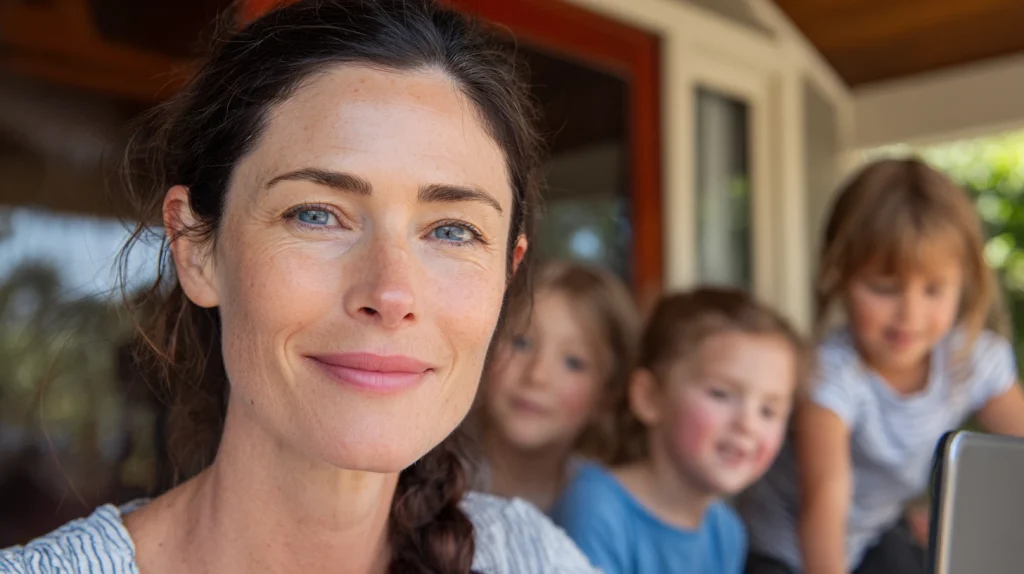
The fundamental shift in client acquisition that’s quietly transforming successful natural health practices across Australia Recent research showed something that should fundamentally change how natural health practitioners think about client acquisition: visitors who click through from AI systems like ChatGPT and Gemini convert four times better than those from traditional Google search! This isn’t just a marketing number. It’s a glimpse into the future of how your ideal clients will discover and choose your practice. The High-Intent Difference: From Browsing to Booking When someone Googles “naturopath near me,” they’re often just starting their research journey. They’ll browse multiple websites, compare options, and bookmark a few practitioners for later consideration. But when someone asks ChatGPT: “I’m experiencing chronic fatigue, hormone imbalances, and digestive issues after having my second child. Which type of natural health practitioner in Sydney’s Northern Beaches would be best positioned to help me in a way that’s safe while breastfeeding?” That’s an entirely different conversation. What This Means for Your Practice By the time they click through to your website from an AI recommendation, they’ve already: Clarified their specific health concerns Understood which type of practitioner they need Considered their constraints and requirements Received a tailored recommendation They’re not browsing anymore. They’re validating their decision and ready to book. Why This Matters for Natural Health Practitioners As HubSpot CEO Yamini Rangan notes in her analysis: “Traditional search often brings people to the top of the funnel. AI searches bring them when they’re ready to act.” For natural health practitioners, this creates a huge opportunity. Your speciality areas (whether hormone health, digestive wellness, or anxiety management) are exactly the kinds of complex, nuanced topics people discuss in detail with AI systems. Think about the questions your clients ask during consultations: “I’ve tried everything for my IBS symptoms. What approach would work best for someone in my situation?” “I’m 45, exhausted despite sleeping 8 hours, and my GP says my blood tests are normal. Who can help me figure out what’s really going on?” “My 3-year-old is constantly getting sick at daycare. What natural approaches can support his immune system safely?” These aren’t simple Google searches. These are the detailed, context-rich conversations people have with AI systems. And when AI recommends a practitioner for these specific scenarios, that referral carries enormous weight. The Content Conversion Revolution This 4 x conversion rate difference changes everything about content strategy. As one marketing executive in the discussion thread observed: “Content needs to anticipate specific needs, not just rank.” An example of traditional SEO content: “5 Benefits of Naturopathy for Women’s Health” Redone as AI-optimised content: “How Naturopathic Treatment Helps Women Experiencing Post-Childbirth Hormone Imbalances While Breastfeeding” The second approach speaks directly to someone’s specific situation and demonstrates exactly why AI would recommend you for their precise needs. “AI systems don’t just want to provide information; they want to provide solutions. When your content clearly articulates who you help, how you help them, and what makes your approach unique, you become the obvious recommendation for specific client scenarios.” ~ James Burgin Practical Implications for Practice Growth Shorten the Client Journey: With AI bringing you higher-intent visitors, your website needs to be conversion-ready immediately. These visitors aren’t here to learn about naturopathy in general. They’re here to determine if you’re the right practitioner for their specific situation, and ready to click or call. Be Radically Specific: Instead of broad content about “digestive health,” create detailed resources about “SIBO recovery for professionals who travel frequently” or “managing IBS symptoms during perimenopause.” Specificity attracts higher-intent referrals. Front-Load Your Expertise: When someone arrives from an AI recommendation, they need immediate validation that AI made the right choice. Your credentials, approach, and speciality areas should be immediately visible, detailed and compelling. Streamline Your Booking Process: High-intent visitors don’t want to browse. They want to book. Make consultation scheduling as frictionless as possible for people who are ready to act. The Window of Opportunity The discussion thread reveals something crucial: marketers across industries are calling this “a once-in-a-generation opportunity” and noting that “it feels like the game has been reset for digital marketing.” For natural health practitioners, the opportunity is even greater because: Most of your competitors haven’t discovered this trend yet Health-related queries are perfect for AI’s conversational format People increasingly prefer AI’s nuanced understanding over Google’s generic results The complexity of natural health makes practitioner selection ideal for AI recommendations Your Next Action Steps… Test Your Current Position: Ask AI systems specific questions about practitioners in your area. If you’re not mentioned, you’re missing 4 x higher-converting traffic. E.g. ‘Who are the best natural health practitioners dealing with childhood allergies in the Geelong area?’ – adapt to your own situation. Audit Your Content: Review your service pages and blog posts. Do they address specific client scenarios with examples, or do they just cover generic topics? The more specific, the more likely AI will cite you for relevant queries. Optimise for Conversion: Assume every AI-referred visitor is ready to book. Is your website set up to convert high-intent traffic immediately? Monitor Your Results: Track conversion rates by traffic source. You should see AI referrals converting at a significantly higher rate than Google search visitors. The Future Is High-Intent The 4 x conversion advantage isn’t just a current trend. It’s a preview of how healthcare discovery will work permanently. As one commenter noted: “AI search visitors could surpass traditional search visitors by 2028.” The practitioners who understand and optimise for this shift now will establish advantages that become nearly impossible for competitors to overcome. Your clinical expertise deserves to be found by those who need it most. When you position yourself correctly for AI recommendations, you’re not just improving your marketing. You’re ensuring that your healing gifts reach the people who specifically seek your unique approach. The question isn’t whether AI will change client acquisition for natural health practitioners. The question is whether you’ll position yourself to benefit from visitors who are 4 times more likely to become clients.