
In the 1960s, psychologist Robert Cialdini conducted a fascinating experiment in hotels. When guests found cards in their rooms asking them to reuse towels “to help save the environment,” compliance was modest. But when the message changed to “the majority of guests who stayed in this room reused their towels,” compliance jumped by 33%. This phenomenon, which Cialdini termed “social proof,” reveals a fundamental aspect of human psychology: when we’re uncertain about what to do, we look to what others like us are doing.
Social proof operates on the principle that if other people—particularly those we perceive as similar to ourselves—are engaging in a particular behaviour, it must be the right thing to do. It’s not manipulation; it’s simply how our brains process information and make decisions efficiently. In Cialdini’s research, he found that social proof becomes even more powerful when we’re dealing with uncertainty, ambiguity, or situations where we lack expertise—precisely the circumstances your clients face when making health decisions.
Why Social Proof Matters in Natural Health
For natural health practitioners, social proof carries particular weight because health decisions are deeply personal and often involve significant uncertainty. Unlike conventional medicine, where treatments come with extensive clinical trials and regulatory approval, natural health approaches may rely more heavily on experiential evidence and peer validation.
Your potential clients are frequently asking themselves: “Will this work for someone like me?” They’re seeking reassurance not just that a treatment is effective, but that real people with similar concerns have found success. When someone is considering whether to try acupuncture for chronic pain or explore nutritional therapy for digestive issues, knowing that others have walked this path successfully provides crucial psychological comfort.
Moreover, natural health decisions often represent a departure from mainstream medical approaches, making the social validation even more important. Clients need confidence that they’re making a wise choice, and seeing evidence that others have benefited can provide that essential reassurance.
Practical Applications for Your Practice
Client Testimonials and Success Stories Consider a nutritionist who displays a simple testimonial board in her waiting room featuring anonymous quotes like: “After three months, my energy levels are completely transformed—I actually wake up refreshed!” These authentic snapshots of client experiences provide incoming patients with relatable proof points without feeling overly promotional.
Professional Credentials and Associations Display your memberships in professional bodies prominently. When clients see that you’re part of recognised organisations like the Institute for Functional Medicine or the College of Practitioners of Phytotherapy, they understand that other professionals have validated your expertise.
Peer Recommendations in Conversation During consultations, naturally weave in phrases like: “Many of my clients with similar symptoms have found that…” or “I’ve seen excellent results with this approach in people facing comparable challenges.” This language demonstrates that others have successfully navigated similar health journeys.
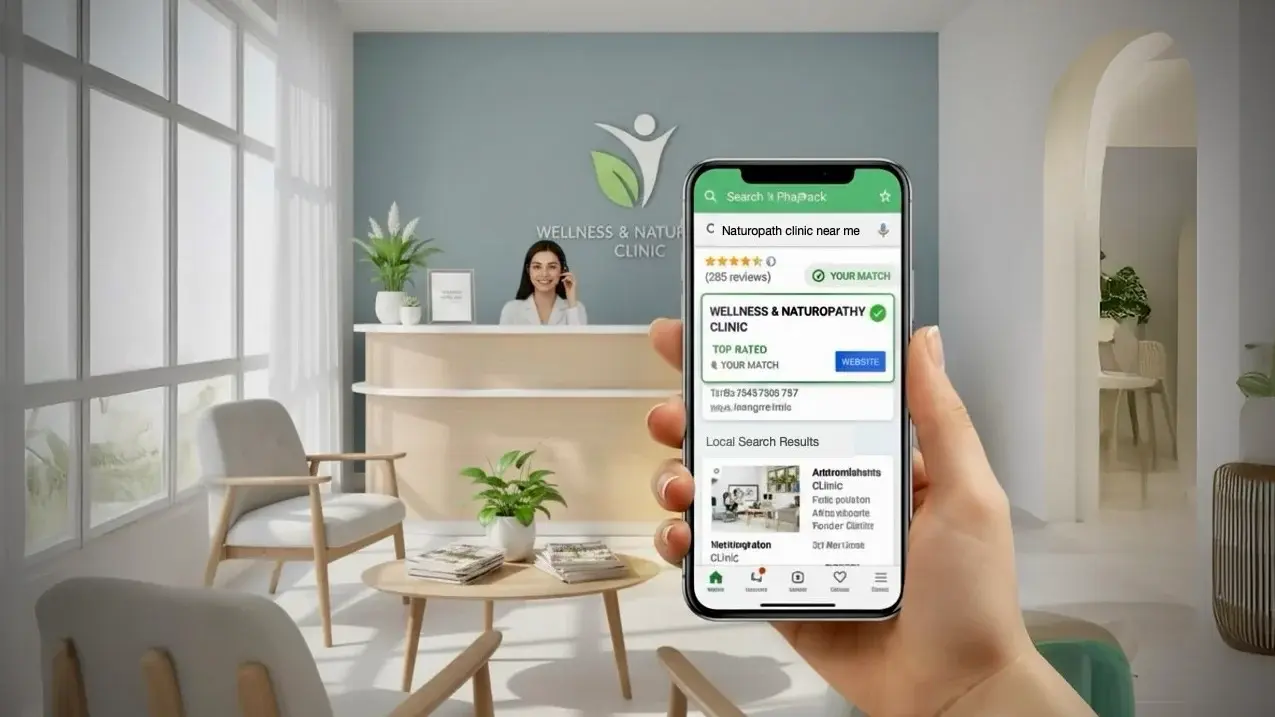
Online Presence and Reviews Encourage satisfied clients to share their experiences on Google Reviews or your social media platforms. A homeopath might share (with permission) a brief case study on LinkedIn about how a client’s anxiety improved, focusing on the outcome rather than the sales pitch.
Group Programmes and Workshops Running group sessions inherently creates social proof in real-time. Participants see others asking questions, sharing experiences, and engaging with your approach, which validates their own decision to be there.
Addressing the "Pushiness" Concern
Many natural health practitioners worry that using social proof feels inauthentic or pushy. The key distinction lies in your intention and approach. You’re not creating artificial pressure; you’re sharing genuine information that helps clients make informed decisions.
Instead of thinking about promotion, frame it as providing reassurance. Your role is to help potential clients understand that they’re not alone in their health journey and that others have found value in your services. Use language that feels natural: “Clients often tell me…” rather than “I guarantee results,” or “Other people in similar situations have experienced…” instead of making direct claims about outcomes.
Remember, social proof works best when it’s authentic and relevant. Focus on sharing real experiences that genuinely reflect your practice rather than cherry-picking only the most dramatic success stories.
Moving Forward with Confidence
Social proof isn’t about creating false impressions—it’s about transparently sharing the genuine positive impact you’ve had on others’ lives. Your clients want to know they’re making good decisions, and providing them with evidence that others have benefited from your expertise serves their needs as much as yours.
Start small: perhaps add a few anonymous testimonials to your website, or begin naturally mentioning in consultations how other clients have responded to similar protocols. As you become more comfortable, you can expand these efforts whilst always maintaining the authentic, caring approach that drew you to natural health practice in the first place.
The science is clear: people are influenced by what others do. By thoughtfully incorporating social proof into your practice, you’re simply helping potential clients access the information they naturally seek when making important health decisions.